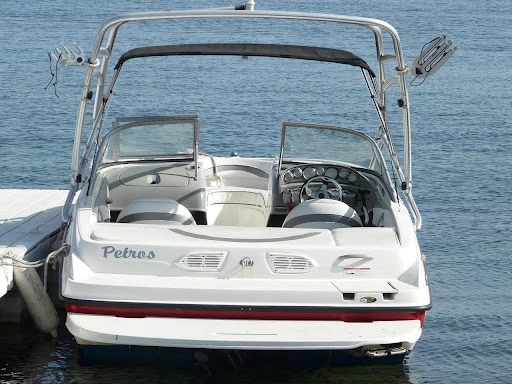
You come across a used boat with a freshly detailed hull, a gleaming gelcoat, and a spotless deck. But if you buy the boat without an inspection, hidden issues like a corroded engine block, compromised cooling system, or failing electrical wiring could leave you dead in the water with a five-figure repair bill.
Know what to look for using our used boat inspection checklist. A thorough pre-purchase inspection is about risk mitigation, not just finding flaws. It helps you separate small imperfections you are willing to fix from structural, mechanical, and electrical red flags.
Make your purchase with confidence, then protect your new boat with an extended service contract from America's Boat Warranty.
In This Checklist:
The Mechanical Core: The Engine and Propulsion
The engine is the heart of any boat, and it's also where some of the most expensive surprises tend to hide. Conduct a full inboard or outboard engine inspection to ensure there isn't an expensive repair bill in your future.
Fluids Are the Bloodline
Pull the engine oil dipstick. Healthy oil is a light amber that may turn a little darker, but shouldn't be brown or black. A milky, gray, or foamy texture is a sign of water intrusion from problems such as a blown head gasket or a cracked block. Also smell the oil. A burnt smell suggests an engine that runs hot, which can point to cooling issues or internal damage from chronic overheating.
Turn your attention to the lower unit. Drain a small amount of gear lube onto a white rag or paper towel. Metal shavings are a sign of internal gear damage. The gear lube should be a clear to light amber color. If it is milky due to water intrusion, there may be a failed seal that could destroy the gears.
The Compression Test
The most important marine engine inspection test to gauge its health is the engine compression test. It measures the pressure each engine cylinder can generate, which should match manufacturer specifications. Low compression in one or more cylinders signals worn rings, damaged valves, or another issue. These internal engine problems could require a full rebuild or engine replacement.
It's a big red flag if a seller won't allow a compression test before you purchase a boat. If the engine is healthy, there's nothing to hide, and it will easily pass the compression test. The numbers it provides give you a picture of the engine's internal condition that you cannot replicate with a visual inspection.
Cooling Systems
Marine engines are vulnerable to cooling system failure because they operate in an environment full of salt, sediment, and organic debris. Inspect the heat exchanger and exhaust manifolds carefully. Look for "blooms," which are raised, rusty, or discolored patches on metal surfaces. They indicate corrosion working from the inside out and may signal imminent failure.
Replacement manifolds and heat exchangers are expensive, and labor to install them adds up fast.
Systems and Electrical Integrity
A quality engine is a good start toward making a boat seaworthy, but don't stop there. Compromised auxiliary systems, such as the bilge, steering, and electrical, can turn a manageable purchase into a money pit.
The Bilge Check
Pop the bilge hatch and take a hard look. A dry, relatively clean bilge is a sign of a conscientious owner. If you see excessive standing water, there may be an issue with the hull or the bilge pump. If you see oil, there may be an engine leak that the owner has ignored.
Excessive water or any oil in the bilge is evidence of a neglected maintenance schedule. It raises serious questions about what else the owner hasn't addressed on the boat.
Steering and Control
Test the steering wheel or tiller through its full range of motion. Hydraulic steering should move smoothly with consistent resistance. Stiffness, jerkiness, or dead spots may indicate a failing hydraulic pump, air in the lines, or a corroded cylinder. Repairs to these parts can be labor-intensive because they aren't easy to reach.
If the boat has mechanical cable steering, inspect visible areas for fraying, kinks, or corrosion. A steering cable failure is a safety concern, and replacing one may include time to route it through the hull.
Costs mount quickly due to labor when parts are hard to reach and install. Steering and control components may be small, but they are expensive to repair or replace.
Electrical Gremlins
To start inspecting the boat's electrical systems, open the dash panel and look at the wiring, also called the "spaghetti." It must be organized and color-coded with proper connectors and clean terminals. Poorly maintained boats often have a wiring nest of aftermarket additions, spliced wires, and corroded connections.
Inspect the battery. If you see a white or greenish crust on the terminals, that's corrosion. It's a sign of poor moisture management and a lack of proper maintenance. Marine electronics are sensitive to voltage drop and ground faults. A compromised electrical system can damage chart plotters, radios, galley appliances, and other expensive equipment.
Rewiring a boat properly is one of the most time-consuming jobs in marine repair, making it an expensive one.
The Sea Trial: Performance Under Pressure
An essential used boat buying tip is to get it on the water before buying. A sea trial may be the only place where hidden problems show themselves. If a seller resists, walk away.
Wide Open Throttle (WOT)
Determine the boat's rated RPM range for WOT operation in the owner's manual or manufacturer specifications. Once you clear the no-wake zone, push the throttle to wide open. Monitor the tachometer to be sure the engine is living up to its rated RPM range.
If the engine falls short of its rated range, something is limiting its performance. It could be a faulty propeller, a fuel delivery problem, or an underlying mechanical issue. If the engine operates significantly below the rated RPM range, that's a clear signal not to buy without a much deeper investigation.
Temperature Gauge Monitoring
Watch the temperature gauge throughout your sea trial, especially during sustained idle and at high speeds. If it creeps steadily upward instead of stabilizing at a normal operating temperature, that's a red flag.
High-temperature culprits are usually a failing water pump or a clogged water intake. But there could be other causes, so don't guess. An overheating engine during a sea trial means the seller has repairs to make before you consider buying.
Smoke Signals
Pay close attention to what comes out of the exhaust. A small puff of smoke at startup is normal, but sustained smoke and unusual smoke colors are another matter. Blue smoke means the engine is burning oil. This points to internal engine wear problems such as worn piston rings or valve seals.
White smoke or steam indicates coolant or water in the combustion chamber, perhaps through a failed head gasket. Black smoke signals a rich fuel mixture, potentially from a clogged air filter, a carburetor problem, or a fuel injection issue.
None of these scenarios is good, but some are more expensive to fix. Knowing the color helps you understand the scope of the problem before you start negotiating.
Protect Yourself Before and After Buying
Don't fall for appearance over performance. Following a used boat inspection checklist takes time, and a professional used boat survey costs a few hundred dollars or more based on the vessel's size. But the investment is worth it before any used boat purchase.
The goal is to know exactly what you're buying. Then you can price the risk accordingly and avoid surprises that turn your dream purchase into a financial nightmare. Once your purchase is secure, lock in an extended warranty to protect your new investment.
View Warranty Plans